
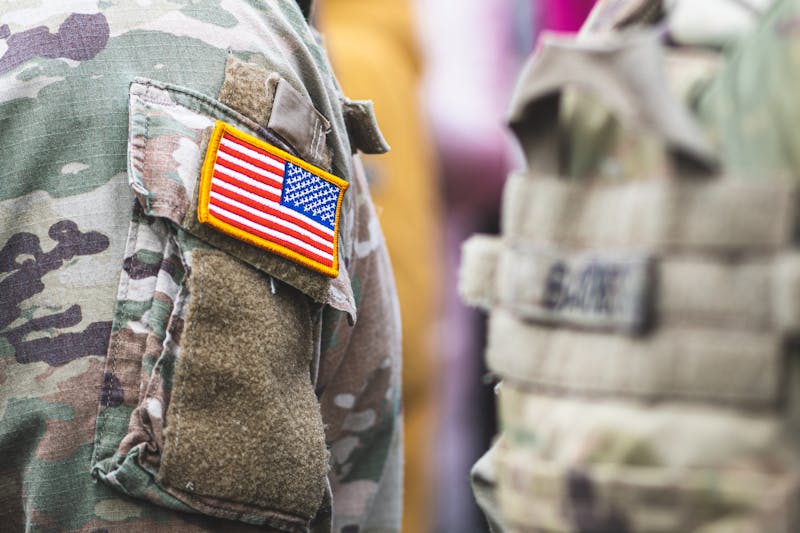
Massachusetts has taken crucial steps to recognize the military service of veterans within the criminal justice system. One of the most significant efforts is the Brave/Valor Act, a law designed to ensure that veterans are properly identified, supported, and diverted toward treatment rather than punishment. For veterans facing motor vehicles offenses or RMV-related consequences, understanding how this law works can be critical.
The Brave/Valor Act is legislation that requires courts to identify defendants who are military veterans at the earliest possible stage of a criminal case. Once identified, the court must consider whether the defendant’s military service, particularly service-related trauma like PTSD, brain injuries, or substance use disorders, may have contributed to the alleged offense. The law does not create an automatic dismissal or excuse criminal conduct outright. Instead, it gives judges the authority to consider alternative, treatment-focused resolutions, including veteran-specific programs, diversion, or probationary conditions tailored to the defendant’s service-related needs.
Many veterans return from service with invisible injuries that can directly affect judgment, impulse control, and substance use. These issues frequently surface in motor vehicle cases, such as the charge of Operating a Motor Vehicle Under the Influence of Alcohol.
Without proper advocacy, these cases are often treated no differently than any other criminal matter. The Brave/Valor Act ensures that military service is not overlooked, and that courts take a more informed, rehabilitative approach when appropriate.
Motor vehicle offenses are among the most common criminal charges in Massachusetts and carry serious consequences including license suspension, RMV holds, fines, probation, and even jail time. For veterans, Brave/Valor protections can influence both the criminal case and its RMV fallout.
In certain cases, a court may:
- Refer a veteran to Veterans Treatment Court or a similar program
- Order treatment in lieu of incarceration
- Structure probation to include VA-based services
- Consider service-related factors when imposing penalties
While the RMV operates independently of the court system, favorable outcomes in criminal cases, including a dismissal, continuance without a finding, or reduced charges, can significantly affect license reinstatement timelines and eligibility for hardship licenses.
It is important to be clear: the Brave/Valor Act is not automatic and not self-executing. Courts do not always ask about veteran status unless it is raised by defense counsel. The law does not guarantee leniency in every case. Judges still prioritize public safety, particularly in serious motor vehicle matters. This is why experienced legal representation is key.
Properly invoking the Brave/Valor Act requires:
- Documenting veteran status
- Connecting service-related conditions to the alleged conduct
- Presenting viable treatment or diversion options
- Coordinating outcomes that minimize long-term RMV consequences
At Gilman Law, we understand both Massachusetts motor vehicle law and the unique legal considerations facing veterans. We work to ensure that courts recognize when the Brave/Valor Act applies and that our veteran clients receive the full benefit of the protections the law provides–while also aggressively defending against criminal and RMV penalties. Contact Gilman Law to discuss your rights, options, and how the Brave/Valor Act may impact your case.